



Reformed theology is nothing new. So why do more African Americans seem to be adopting it now?
We see evidence of Reformed teaching gaining traction in the African American community through organizations like the Reformed African American Network (RAAN), authors like Anthony Carter and Trillia Newbell, and urban conferences such as Legacy. But Reformed theology has been part of the Black church tradition since the days of slavery. However, as Thabiti Anyabwile observes in his book The Decline of African American Theology, African Americans were often prevented from acquiring formal education, so they haven’t always used academic and theological categories to express their religious beliefs. Nevertheless, ideas emphasized in Reformed theology — God’s sovereignty, the authority of the Bible, and God’s faithfulness — have long been hallmarks of the historic Black church. Even where theological jargon was absent, these ideas have been captured in the sermons of Black preachers, sung in Negro spirituals, and visible in the traditions of the African American church. So why, then, have the formal categories of Reformed theology become more commonly circulated among African Americans in recent years? Here are five attempts to answer that question.
1.) Christian Hip-Hop
The musical genre of hip-hop has long connected with an African American, urban, and youthful crowd. Christian hip-hop (CHH) artists, many of whom have Reformed leanings, have successfully paired infectious beats with transformational truths of the gospel and reached new segments of the population. At the vanguard of CHH is Lecrae, who has achieved cross-over success with two Grammy nominations, a #1 album on iTunes, and a free mixtape with more than 280,000 downloads.
2.) The Digital Age
With the stroke of a key, the click of a button, or the tap of a screen, anyone can access a host of content from many of the most gifted preachers and teachers. African Americans have learned Reformed theology through radio ministries, sermon podcasts, or seminary courses. Never has it been easier for anyone, at any time, and in any place to hear the best of Reformed theology.
3.) Greater Access to Reformed Education
No longer are African Americans forbidden by legal or social barriers to attend schools that teach Reformed theology. This is not to say that all obstacles have disappeared. The United States has not “arrived” in terms of racial and ethnic equality. However, there has been progress. Daniel Aleshire, president of the Association of Theological Schools, indicates that African Americans are represented in seminary in proportions close to the U.S. population. Some Reformed schools even have specific programs to engage ethnic minorities.
4.) Hunger for Biblical Teaching
All Christians who “taste and see that the Lord is good” develop a hunger for solid spiritual food. Many African Americans looking for rich, biblical teaching have found a home in Reformed theology.
By highlighting historic creeds, influential theologians, majestic hymns, exegetical preaching, and carefully crafted systems of thought, Reformed theology has conveyed the splendor of God to countless Christians for centuries. African Americans are no exception. As one person commented on RAAN, “Once I was exposed to the doctrines of grace, I realized the depth of the true gospel and my need for a deeper relationship with Christ.”
5.) God Is Sovereign
God’s sovereignty is a mainstay of Reformed theology. The Bible teaches that God is in charge. “Who has spoken and it came to pass, unless the Lord has commanded it?” (Lam. 3:37) We creatures are subject to our Creator. “Many are the plans in the mind of a man, but it is the purpose of the Lord that will stand” (Proverbs 19:21).
No human being engineered the course of history so that Reformed theological categories would gain increased acceptance among certain groups of African Americans. But if Christians understand the causes—both spiritual and temporal—that lead to the spread of the gospel, we can use that information to make Christ known among all kinds of people.
Ultimately, labels like “Reformed” don’t matter so much as the good news that Jesus Christ has died for all races, ethnicities, cultures, and classes. So let us make every effort to proclaim this gospel using the means available in our day.
Free eBook by Rebecca McLaughlin: ‘Jesus Through the Eyes of Women’
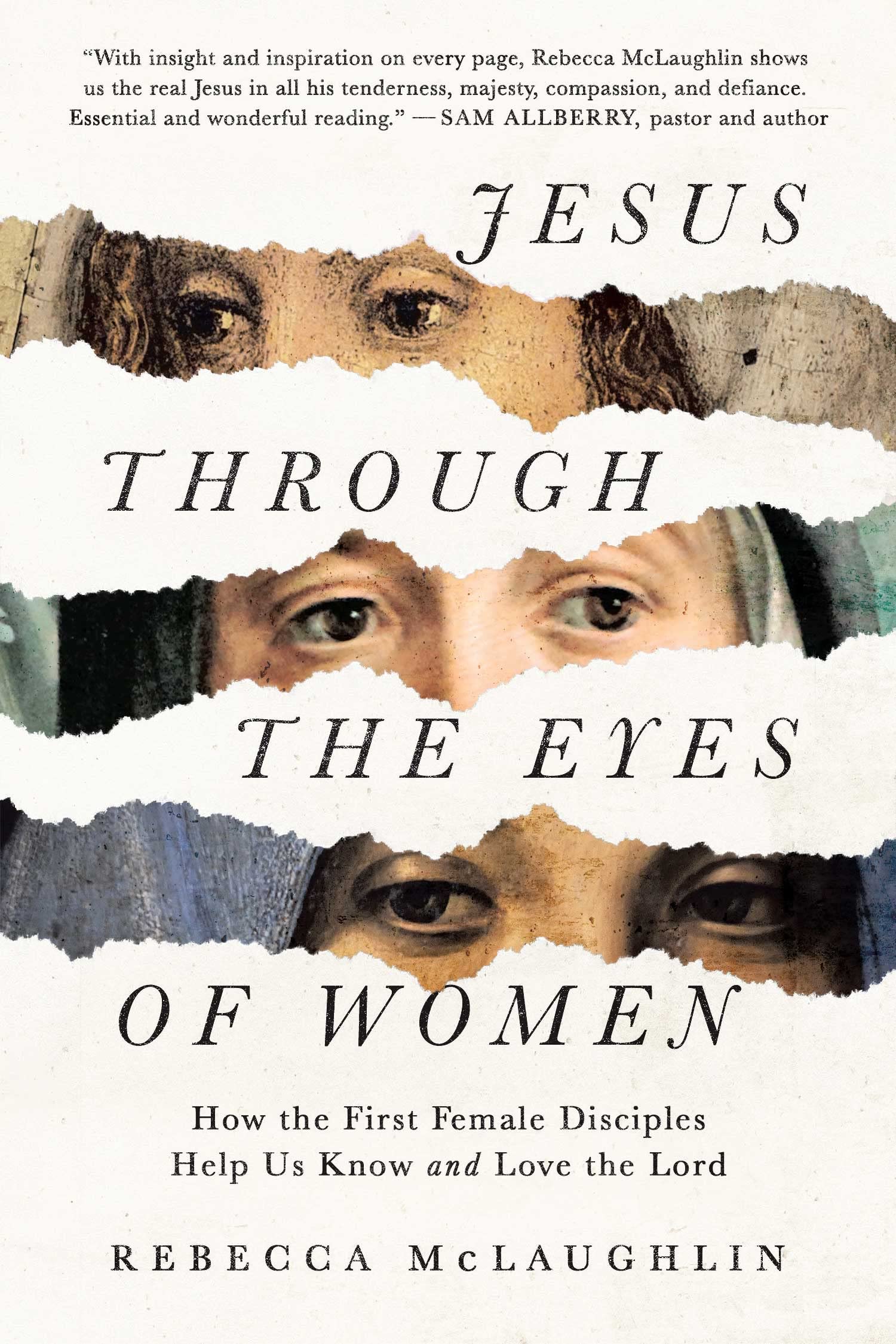 If the women who followed Jesus could tell you what he was like, what would they say?
Jesus’s treatment of women was revolutionary. That’s why they flocked to him. Wherever he went, they sought him out. Women sat at his feet and tugged at his robes. They came to him for healing, for forgiveness, and for answers. So what did women see in this first-century Jewish rabbi and what can we learn as we look through their eyes today?
In Jesus Through the Eyes of Women, Rebecca McLaughlin explores the life-changing accounts of women who met the Lord. By entering the stories of the named and unnamed women in the Gospels, this book gives readers a unique lens to see Jesus as these women did and marvel at how he loved them in return.
We’re delighted to offer this ebook to you for free.