

AI Makes Sermon Prep Effortless. That’s the Problem.
When you’re considering whether to use AI in your sermon preparation, first ask, ‘What am I forfeiting by using AI to do this?’
When you’re considering whether to use AI in your sermon preparation, first ask, ‘What am I forfeiting by using AI to do this?’


Every sin—every act of abuse—will face the fullness of God’s wrath, whether in the person of Jesus or when the unbelieving sinner is judged.

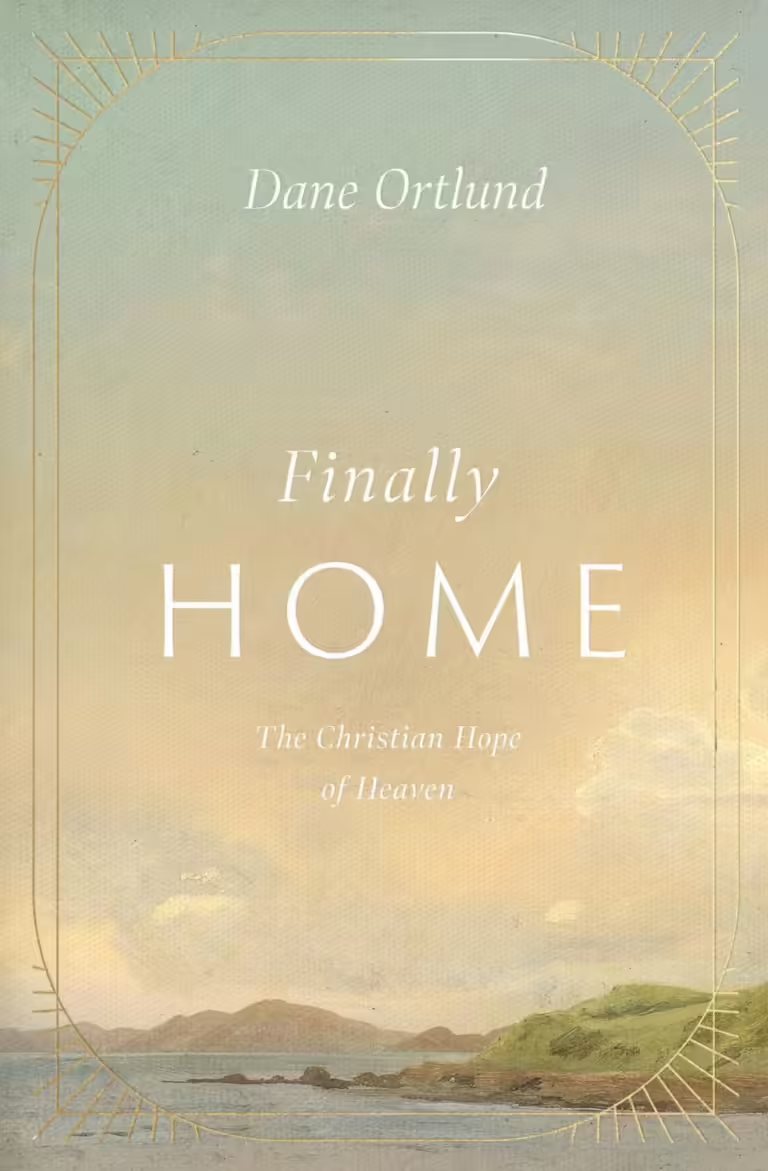
‘Finally Home’ is written from the heart of a pastor who loves his people and wants to help them connect what they’re going through to where they’re going.

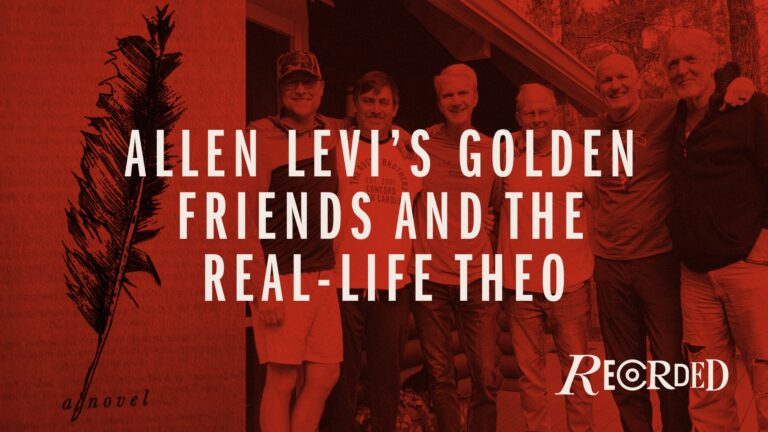
Meet the friendship group who are the reason surprise bestseller ‘Theo of Golden’ moved out of a drawer and into the world.
We may be tempted to treat prediction markets as a form of harmless fun, but it’s helpful to remember that ‘all money ain’t good money.’


In this live recording from TGCW26, Courtney and Melissa talk with Nancy Guthrie and Jen Wilkin about how to persevere in faith for the rest of your life.
In this live recording from TGCW26, Courtney and Melissa talk with Nancy Guthrie and Jen Wilkin about how to persevere in faith for the rest of your life.
Listen Now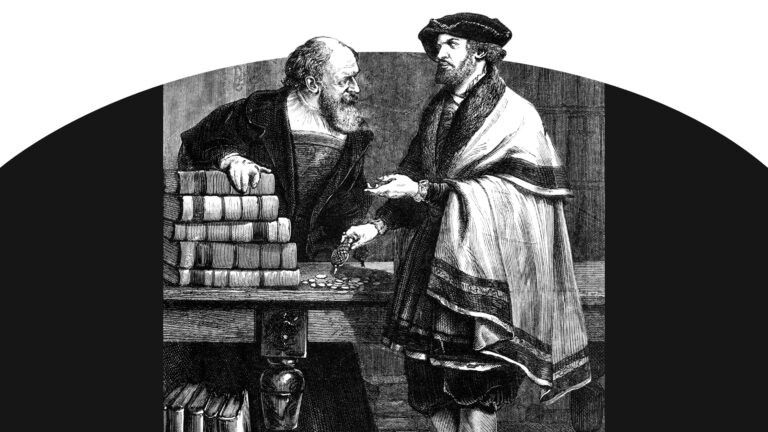
The flowering of English at the end of the 16th century would have been impossible without the linguistic wheels that Tyndale set in motion at the beginning of the century.


The American government needs a moral people, but that doesn’t mean it should be entrusted to guard the beliefs that make a people moral.







Stephen Driscoll considers how AI threatens human uniqueness in intelligence, creativity, and productivity.
Stephen Driscoll joins Christopher Watkin to discuss how AI affects our identity.
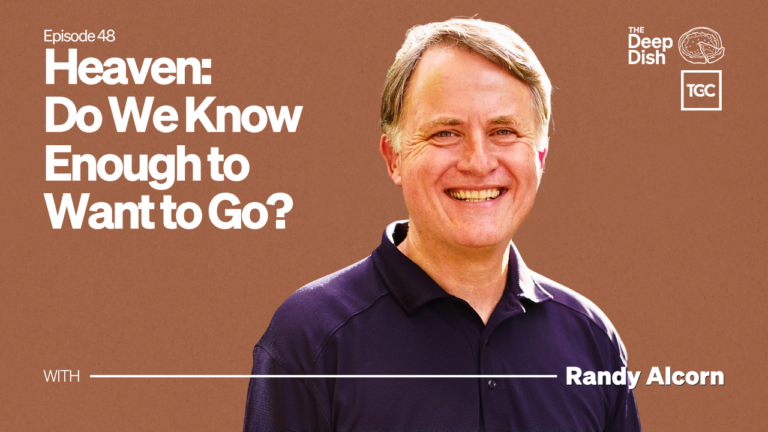
Listen NowMelissa and Courtney talk with Randy Alcorn about common misconceptions about heaven, and all we have to look forward to in the life to come.
Matt Smethurst and Ligon Duncan discuss how pastors can shepherd difficult or draining church members with wisdom, patience, healthy boundaries, and the humility to remember that every shepherd is first a sheep.
When Allen Levi finished writing ‘Theo of Golden,’ he put it in a drawer. It would’ve stayed there if not for a group of his closest friends.
Not everyone means the same thing when they talk about Christian nationalism.
Dan Doriani and Mark Vroegop talk about how our Sunday morning worship should prepare us to love our neighbors and serve the common good Monday through Saturday.


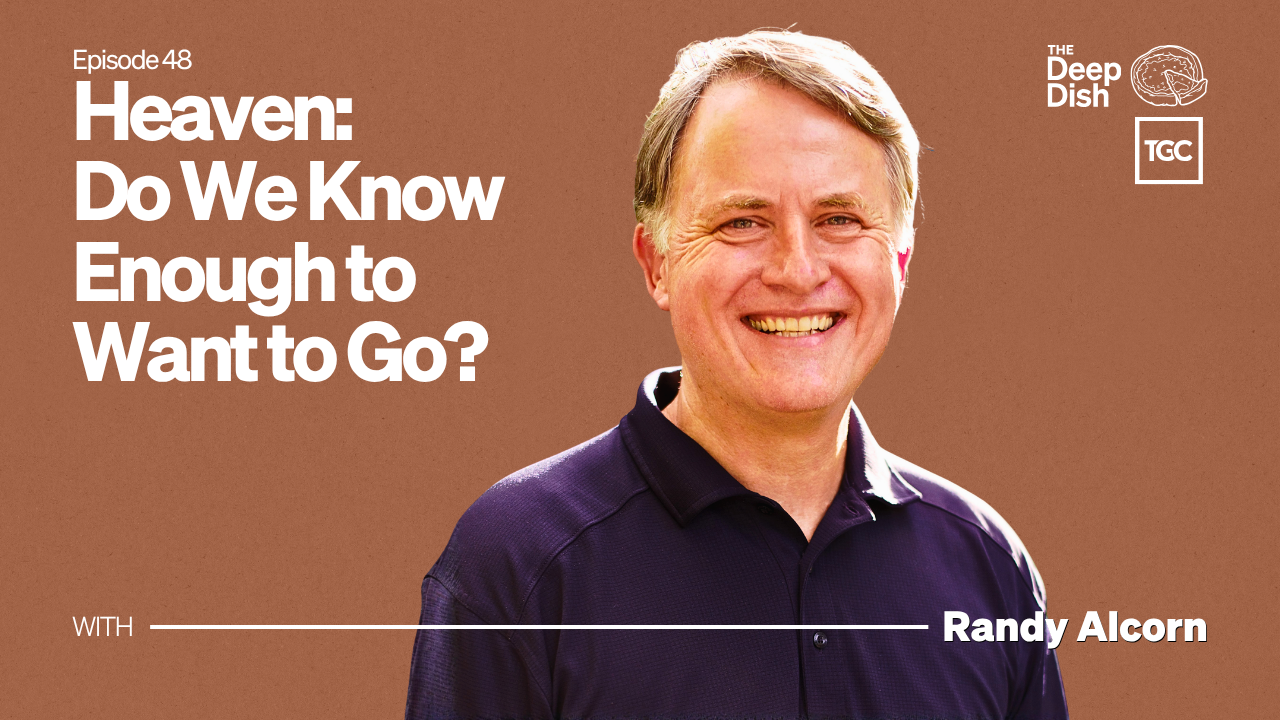
Melissa and Courtney talk with Randy Alcorn about common misconceptions about heaven, and all we have to look forward to in the life to come.
When you’re considering whether to use AI in your sermon preparation, first ask, ‘What am I forfeiting by using AI to do this?’
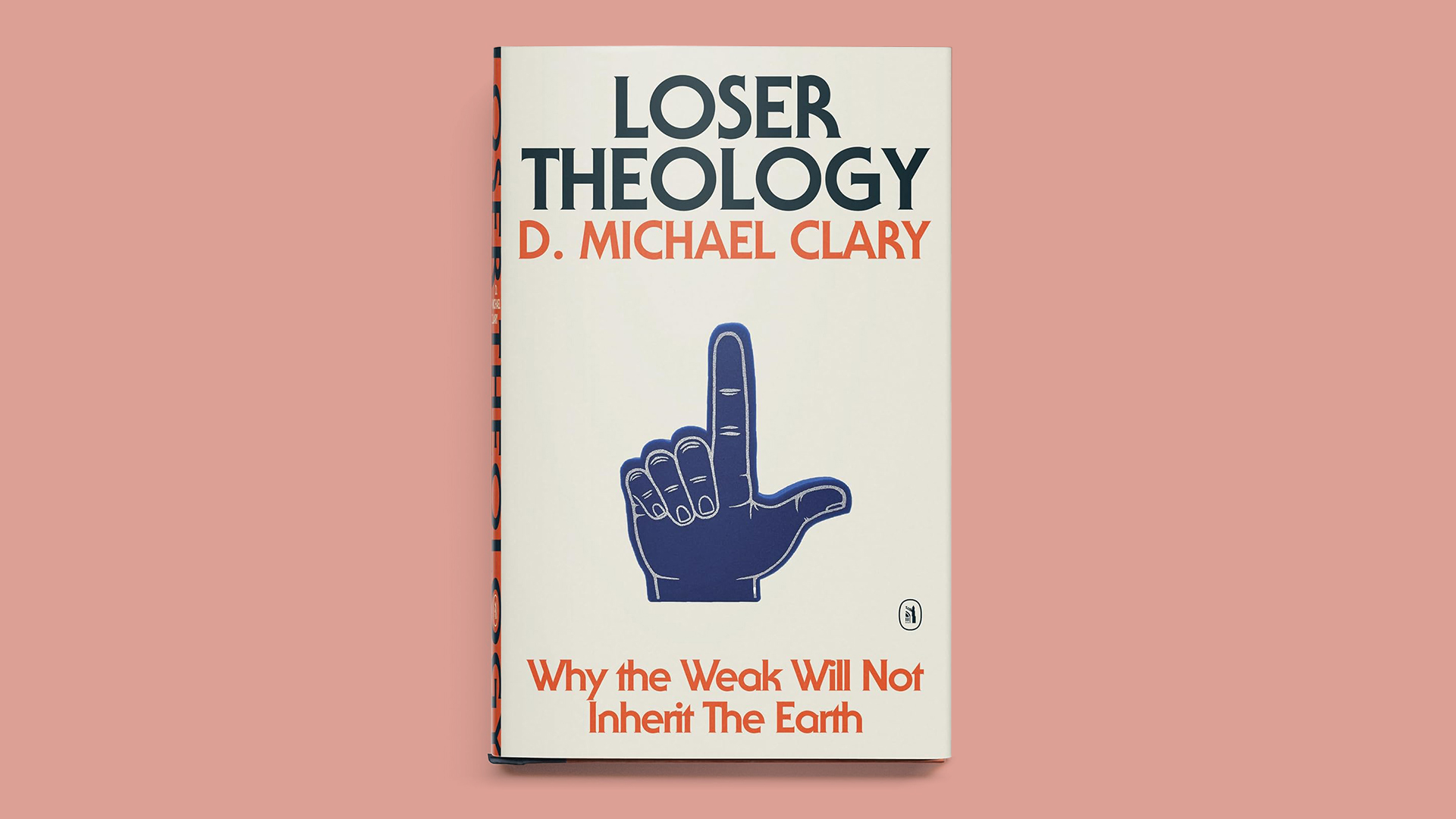
I worry that the ambition of ‘High-Agency Christianity’ aligns more with the ideals of this world than with the countercultural values of the kingdom of God.

In this land, the light of gospel radiates more brightly than anywhere else in the Nordic region.

‘Finally Home’ is written from the heart of a pastor who loves his people and wants to help them connect what they’re going through to where they’re going.

Every sin—every act of abuse—will face the fullness of God’s wrath, whether in the person of Jesus or when the unbelieving sinner is judged.
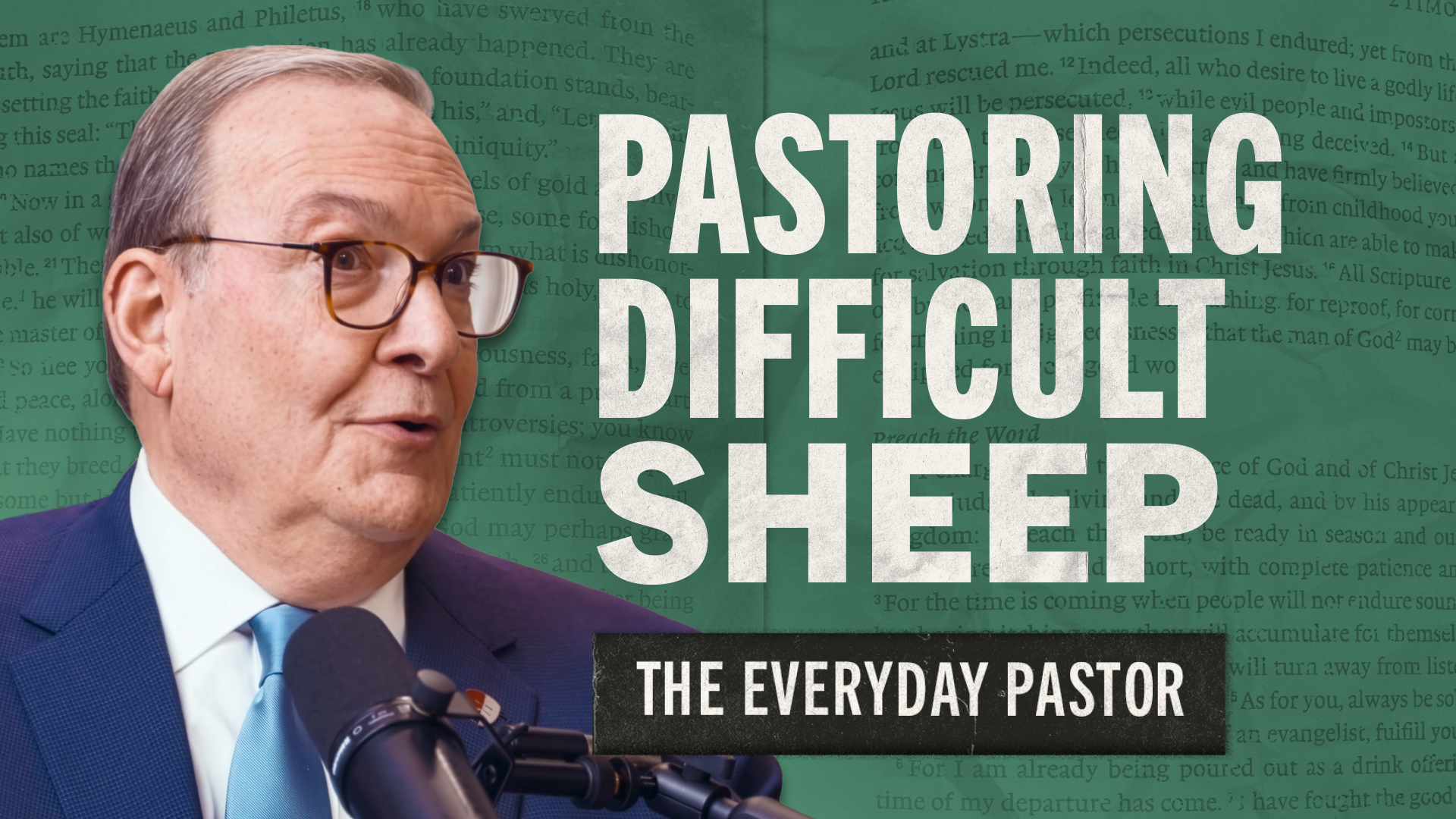
Matt Smethurst and Ligon Duncan discuss how pastors can shepherd difficult or draining church members with wisdom, patience, healthy boundaries, and the humility to remember that every shepherd is first a sheep.